
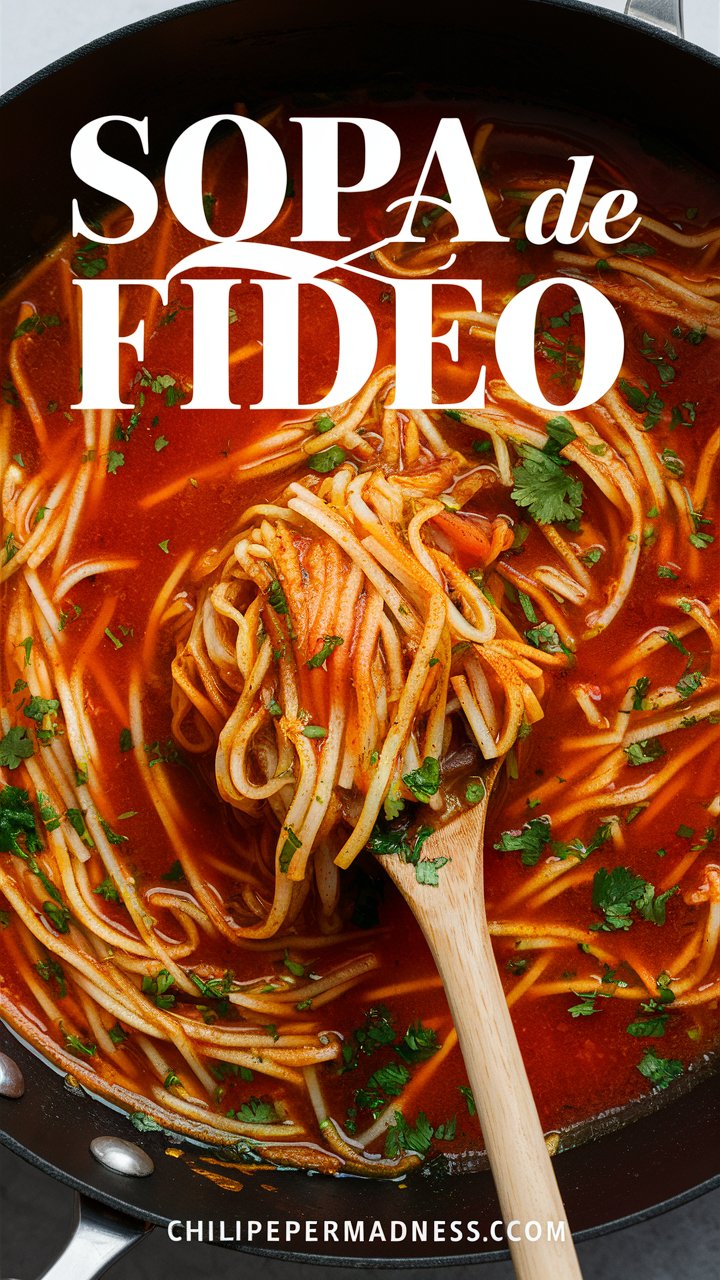
Fideo noodles are a beloved staple in Mexican, Spanish, and Latin-American cuisine. Whether featured in a comforting bowl of sopa de fideo (noodle soup) or a savory plate of fideo seco (dry-style noodles), these short, thin noodles bring warmth and flavor to every bite. But for many home cooks, one problem persists: mushy fideos.
If you’ve ever found yourself disappointed by soft, soggy noodles that clump together or lose their texture, you’re not alone. Cooking fideo to perfection isn’t difficult, but it requires attention to detail and a few essential techniques.
In this complete guide, we’ll explore everything you need to know about cooking fideo the right way. You’ll learn not only how to keep fideo noodles from becoming mushy, but how to elevate your entire dish with expert-level texture, flavor, and presentation.
1. What Are Fideo Noodles?
Fideo noodles are thin, short strands of pasta traditionally made from wheat flour. Often cut into pieces about one inch long, fideo is similar in appearance to vermicelli but distinct in its use and preparation methods. Fideo is used in a variety of dishes across Mexican, Spanish, and Latin cuisines.
Common Dishes Featuring Fideo:
- Sopa de Fideo – A noodle soup often made with tomato-based broth.
- Fideo Seco – A dry noodle dish infused with flavorful sauces.
- Fideo con Pollo – A hearty one-pot meal with chicken and vegetables.
These noodles are cherished not just for their taste but also for their ability to soak up the rich flavors of the ingredients around them.
2. Why Do Fideo Noodles Become Mushy?
The mushiness issue comes down to three critical factors:
- Overcooking – Thin noodles cook very fast; a few extra minutes can ruin their structure.
- Excess Liquid – Too much broth or sauce causes the noodles to absorb more than they can hold.
- Lack of Pre-Toasting – Skipping this crucial step results in weak, soggy noodles.
When combined, these mistakes turn what should be a delightful texture into an undesirable mush.
3. The Science Behind Perfect Fideo
To cook fideo perfectly, you need to understand hydration, starch behavior, and heat transfer. Here’s how science plays a role:
- Toasting creates a barrier on the noodles, delaying water absorption.
- Controlled boiling ensures the starch is released in moderation, maintaining structure.
- Simmering instead of boiling vigorously prevents noodles from breaking apart due to turbulence.
By applying these principles, you protect the noodles from over-saturation and retain their bite.
4. Tools & Ingredients for Success
Essential Tools:
- Deep sauté pan or skillet with a lid
- Wooden spoon (gentle on noodles)
- Measuring cups/spoons
- Fine mesh strainer (if boiling separately)
Base Ingredients:
- Fideo noodles (200g) – Use quality, short-cut noodles.
- Olive oil (2 tbsp) – For toasting.
- Onion (1 medium) – Adds aromatic base.
- Garlic (2 cloves) – For depth of flavor.
- Tomatoes (2 large) – Adds acidity and richness.
- Broth (500ml) – Chicken or vegetable works best.
- Salt & pepper (to taste)
- Optional: Cilantro, lime juice, chili flakes, cumin, bay leaf
5. Step-by-Step: How to Keep Fideos from Getting Mushy
🔹 Step 1: Toast the Fideo Noodles
Toasting is a non-negotiable step. It’s the secret weapon in the fight against mushy noodles.
How to Toast:
- Heat 2 tbsp olive oil in a large pan over medium heat.
- Add the dry fideo noodles.
- Stir continuously for 3–5 minutes until golden brown.
- Remove from heat and set aside.
This step gives the noodles a subtle nuttiness and toughens their outer layer, reducing the chance of over-absorption later.

🔹 Step 2: Add Aromatics and Base Flavors
Once the noodles are toasted:
- In the same pan, sauté chopped onions until translucent.
- Add minced garlic and tomatoes.
- Cook until the tomato mixture reduces slightly (5–7 minutes).
- Season with salt, pepper, and your preferred spices.
This builds the flavor foundation of your fideo dish.
🔹 Step 3: Add the Right Amount of Liquid
Rule of Thumb:
- For soup: Use 2.5 cups (about 600ml) broth per 200g fideo.
- For dry: Use 1.5 cups (about 350ml) broth or sauce per 200g fideo.
Add the liquid gradually and bring to a gentle boil, then reduce to a simmer. Stir occasionally but gently.
🔹 Step 4: Monitor Cooking Time Closely
Fideo noodles cook quickly, usually in 8–10 minutes. Set a timer!
Don’t walk away — check for:
- Tenderness (no crunch)
- Firmness (no sogginess)
- Structure (no breakage)
Taste as you go. Stop cooking when they are just “al dente.”
🔹 Step 5: Let It Rest Before Serving
Allowing your dish to sit for 3–5 minutes after cooking:
- Evens out moisture
- Firms up the noodles
- Deepens flavor
Garnish with fresh herbs or a squeeze of lime for brightness.
6. Common Mistakes to Avoid
- Skipping Toasting – Leads to fragile noodles.
- Using Too Much Broth – Causes over-absorption.
- Overcooking – Always set a timer.
- High Heat Stirring – Can break noodles.
- Not Letting It Rest – Texture suffers if served immediately.
7. Pro Tips for Advanced Home Cooks
- Use Homemade Broth – For better control over flavor and salt content.
- Add Acid Last – A splash of lime or vinegar brightens the dish without weakening noodle structure.
- Infuse Oil Before Toasting – Add garlic or bay leaf to oil for extra aroma.
- Cook Separately for Salads – Boil, drain, and cool fideo if using in cold dishes.
8. Nutritional Profile of Well-Cooked Fideo
| Nutrient | Amount per 100g (cooked) |
|---|---|
| Calories | 220–250 kcal |
| Carbs | 42–45g |
| Protein | 6–8g |
| Fiber | 2–3g (higher in whole wheat) |
| Fat | 2–3g (from oil) |
Adding vegetables, legumes, or lean meats increases nutritional density.
9. How to Reheat Fideo Without Losing Texture
Reheating Do’s:
- Reheat in a pan over medium-low heat.
- Add 1–2 tablespoons of broth or water.
- Stir gently and heat until just warm.
Avoid:
- Microwave (unless in short bursts with moisture)
- High heat (it will over-soften the noodles)
10. Final Thoughts & Recommendations
Mastering fideo is less about perfection and more about precision. Once you understand how to manage time, liquid, and temperature, the transformation is magical. What was once mushy and forgettable becomes flavorful, comforting, and textured just right.
Whether you’re making a traditional sopa or experimenting with new fusion recipes, following the steps in this guide will give you consistent results and happy tastebuds.
11. FAQs
Q1: Can I toast fideo in advance?
Yes! Toast, cool completely, and store in an airtight container for up to one week.
Q2: Should I rinse fideo after boiling?
Only if you’re using it in a cold dish. Otherwise, rinsing washes away flavor and starch needed for binding.
Q3: Can I use fideo in a pasta salad?
Absolutely! Cook it separately, rinse in cold water, and toss with your desired ingredients.
Q4: How can I fix mushy fideo?
Spread it out on a baking sheet and bake at 180°C (350°F) for 5–7 minutes to dry out excess moisture.